Sustainable construction starts here.
How a by-product of iron becomes a high-performance, low-carbon cement alternative.
In the global push toward net-zero, the construction industry is re-evaluating its most fundamental ingredient: cement. With cement production responsible for nearly 8% of global CO₂ emissions, the search for alternatives has never been more urgent. Enter Slags GBFS (Granulated Blast Furnace Slag) and its processed form, GGBFS (Ground Granulated Blast Furnace Slag). This article explores how this industrial by-product is revolutionizing modern concrete, offering enhanced durability while drastically cutting environmental impact.
To understand GGBFS, we must first look at its parent material: Slags GBFS. Both are by-products of iron production in a blast furnace. When iron ore, coke, and limestone are melted at around 1500°C, two materials emerge: molten iron on the bottom, and the slag—composed of silicates and aluminates—floats on top.
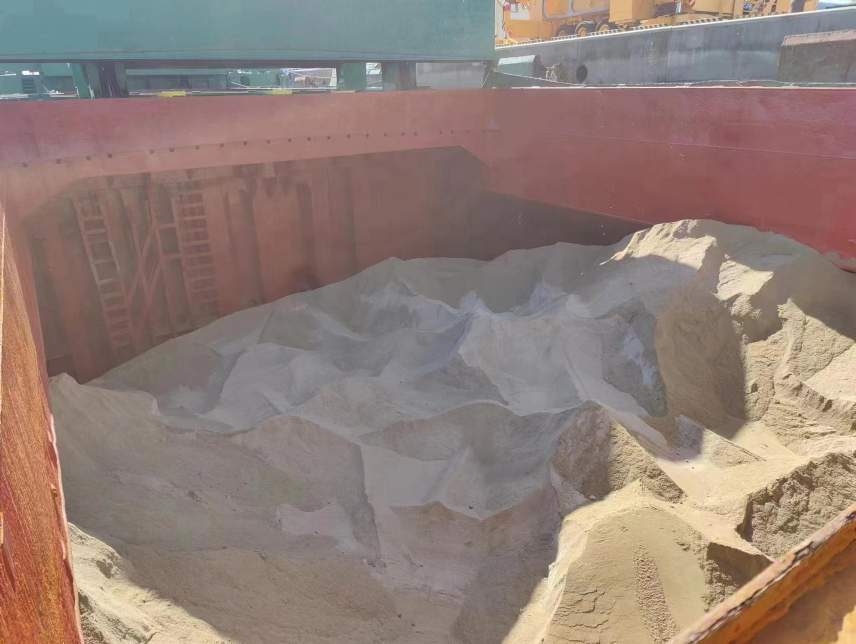
The key distinction lies in processing. Slags GBFS refers to the molten slag that is rapidly quenched with water or steam. This quick cooling prevents crystallization, creating glassy, sand-sized granules. This granulated material is then dried and ground into a fine powder, achieving a fineness comparable to Portland cement. At this stage, it earns the name GGBFS—a high-quality, latent hydraulic binder ready for use in concrete. Without this grinding step, the material cannot unlock its full cementitious potential.
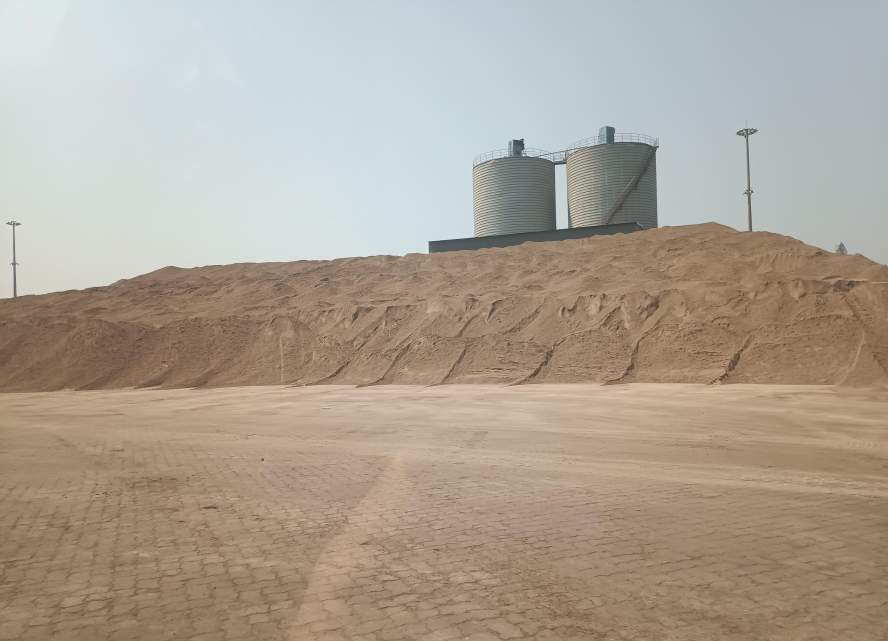
The magic of GGBFS lies in its glassy, amorphous structure. During rapid cooling (quenching), the slag melt is cooled below 800°C instantly, preventing the formation of crystalline minerals like merwinite and melilite. This results in a granule with 90–100% glass content.
Chemically, GGBFS mirrors Portland cement clinker. Its main components are:
When mixed with water and an activator (usually Portland cement or lime), the glassy structure breaks down and forms calcium silicate hydrates (C-S-H)—the same glue that gives concrete its strength. This reaction is "latent," meaning it is slower initially but continues for months, even years, resulting in higher ultimate strength and denser microstructure.
Replacing Portland cement with GGBFS is not just about sustainability; it significantly enhances the engineering properties of concrete. Typical replacement levels range from 30% to 70% by mass, depending on the application.
GGBFS concrete excels in aggressive environments. By refining the pore structure and reducing permeability, it offers high resistance to chloride ingress (protecting reinforcing steel from corrosion) and sulfate attack. It is now routinely specified for marine structures, bridge piers, and foundations where de-icing salts or sulfate-rich soils are present. In many markets, GGBFS has replaced sulfate-resisting Portland cement due to its superior performance and lower cost.
Mass concrete pours, such as foundations or dams, generate significant heat as cement hydrates, which can lead to thermal cracking. The slower reaction of GGBFS reduces the peak temperature and overall heat generation. This makes it invaluable for large structures, allowing for safer, more durable construction.
Unlike the grey of standard concrete, GGBFS imparts a near-white color, prized by architects for exposed finishes. It also produces a smoother surface less prone to efflorescence (white salt deposits). Regarding strength, while early-age strength may be slightly lower, GGBFS concrete has been shown to double its 28-day strength over 10 to 12 years.
| Property | Ordinary Portland Cement | GGBFS-Blended Concrete |
|---|---|---|
| Early Strength (7 days) | High | Moderate |
| Ultimate Strength (90+ days) | High | Very High (continued gain) |
| Resistance to Chlorides | Moderate | High (denser matrix) |
| Sulfate Resistance | Low-Moderate | High |
| Heat of Hydration | High | Low (reduces cracking risk) |
| Embodied CO₂ (per ton) | ~900 kg | ~400-500 kg (depending on %) |
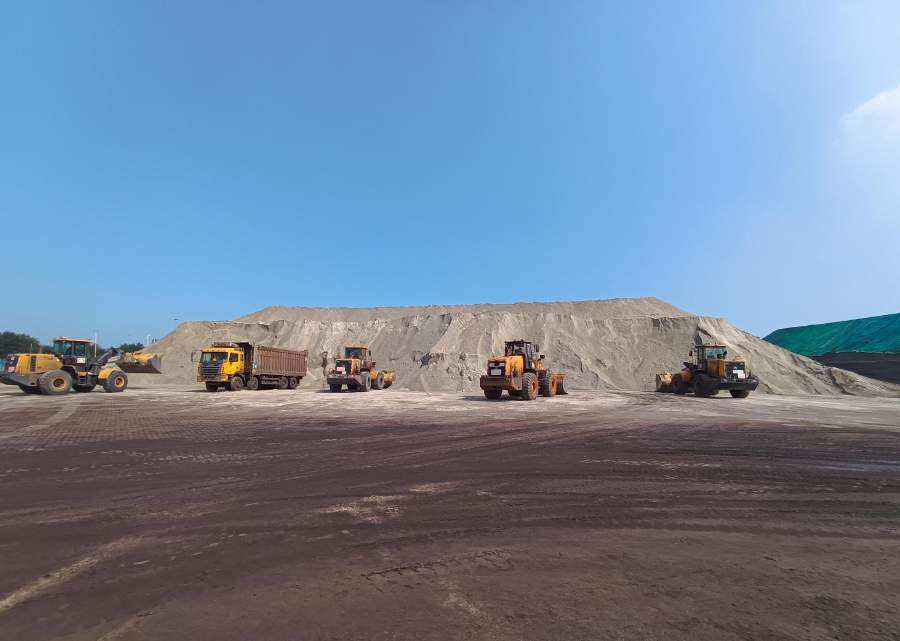
The global market for GGBFS is expanding rapidly, valued at over $21 billion in 2024 and projected to reach $28.6 billion by 2030. This growth is driven by strict environmental regulations and the demand for LEED-certified buildings. Since GGBFS is a recycled by-product, its use contributes directly to waste reduction and circular economy principles.
Cement’s CO₂ footprint comes primarily from clinker production. By substituting clinker with GGBFS, emissions plummet. The Global Cement and Concrete Association notes that using GGBFS is a proven method to lower the clinker factor of cement. A ton of GGBFS-blended cement can cut CO₂ by up to 50% or more compared to pure Portland cement.
However, the future supply of Slags GBFS faces a paradox. As the steel industry decarbonizes by shifting from blast furnaces to electric arc furnaces (which produce a different type of slag), the availability of high-quality GGBFS may decline. This has sparked innovation in other SCMs like calcined clays, but for now, GGBFS remains a critical tool for sustainable construction.
For engineers and specifiers, GGBFS is classified by performance. In ASTM C989, GGBFS is divided into three grades based on the Slag Activity Index:
European standard EN 15167-1 also governs its use as a type II addition in concrete. When sourcing, look for certified Environmental Product Declarations (EPD) that verify the materials low-impact credentials.
To maximize the benefits of GGBFS, trial mixes are essential. While it replaces cement on a one-to-one basis by weight, water demand and setting times can shift. For resistance to alkali-silica reaction (ASR) or sulfate attack, replacement levels should generally exceed 35%. Admixtures may be needed to adjust workability, especially with higher replacement ratios.
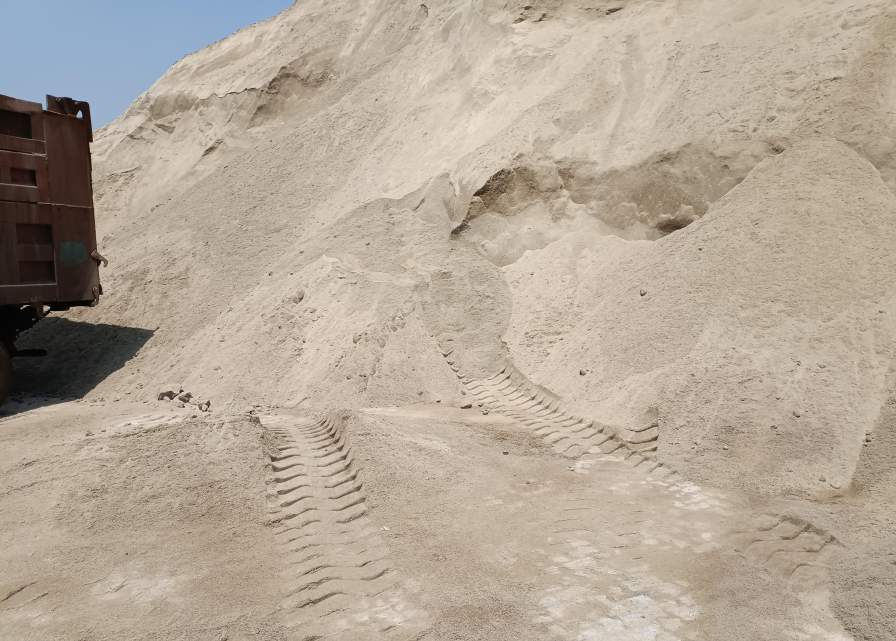
From its origins as molten Slags GBFS to its final form as a fine powder, GGBFS embodies the principles of industrial symbiosis. It transforms a steel mill by-product into one of the most effective tools we have to build durable, long-lasting infrastructure while slashing the carbon footprint of our buildings. As the industry navigates the transition to greener steel, the efficient use of existing GGBFS and the hunt for new SCMs will remain at the forefront of construction technology.
Whether you are an engineer specifying materials for a bridge, or a developer aiming for a green building certification, GGBFS offers a proven, reliable path toward better performance and a healthier planet.